
Aldona Olchanowska
BACP· Accepting clientsUnited Kingdom · 20 yrs exp
Relationship · Family · Grief · Depression · +14 more
Read profileThe therapy listings are provided by BetterHelp and we will earn a commission if you use our link - at no cost to you.
Accessing therapy in your native language can make it easier to describe feelings, memories and cultural nuances. Browse Polish-speaking therapists below to view profiles, approaches and languages offered.
United Kingdom · 20 yrs exp
Relationship · Family · Grief · Depression · +14 more
Read profile
United Kingdom · 7 yrs exp
Stress, Anxiety · Trauma and abuse · Self esteem · Depression · +13 more
Read profile
United Kingdom · 7 yrs exp
Stress, Anxiety · Addictions · Relationship · Trauma and abuse · +7 more
Read profile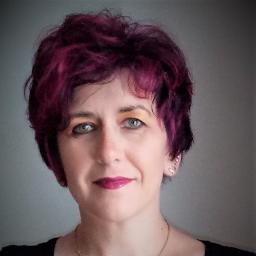
United Kingdom · 3 yrs exp
Stress, Anxiety · Addictions · Trauma and abuse · Self esteem · +8 more
Read profile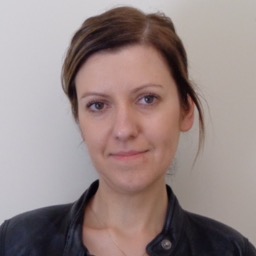
United Kingdom · 9 yrs exp
Stress, Anxiety · Trauma and abuse · Grief · Self esteem · +10 more
Read profile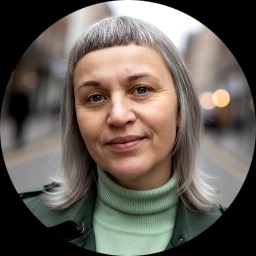
United Kingdom · 6 yrs exp
Stress, Anxiety · Addictions · Trauma and abuse · Self esteem · +4 more
Read profile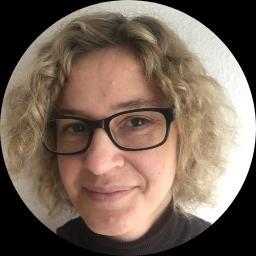
United Kingdom · 13 yrs exp
Stress, Anxiety · Relationship · Trauma and abuse · Anger · +8 more
Read profile
United Kingdom · 4 yrs exp
Stress, Anxiety · Relationship · Family · Parenting · +9 more
Read profile
United Kingdom · 3 yrs exp
Stress, Anxiety · Relationship · Grief · Sleeping · +11 more
Read profile
United Kingdom · 17 yrs exp
Relationship · Family · Trauma and abuse · Self esteem · +11 more
Read profile
United Kingdom · 5 yrs exp
Stress, Anxiety · Trauma and abuse · Grief · Self esteem · +11 more
Read profile
United Kingdom · 5 yrs exp
Stress, Anxiety · Grief · Self esteem · Bipolar · +7 more
Read profile
United Kingdom · 4 yrs exp
Stress, Anxiety · Trauma and abuse · Grief · Depression · +12 more
Read profile
United Kingdom · 6 yrs exp
Stress, Anxiety · Grief · Intimacy-related issues · Depression · +8 more
Read profile
United Kingdom · 3 yrs exp
Stress, Anxiety · Family · Self esteem · Depression · +1 more
Read profile
United Kingdom · 5 yrs exp
Stress, Anxiety · Relationship · Trauma and abuse · Self esteem · +15 more
Read profile
United Kingdom · 4 yrs exp
Stress, Anxiety · Trauma and abuse · Self esteem · Depression · +4 more
Read profile
United Kingdom · 4 yrs exp
Addictions · LGBT · Trauma and abuse · Self esteem · +1 more
Read profile
United Kingdom · 3 yrs exp
Stress, Anxiety · Relationship · Trauma and abuse · Self esteem · +1 more
Read profile
United Kingdom · 5 yrs exp
Stress, Anxiety · Relationship · Trauma and abuse · Parenting · +10 more
Read profile
United Kingdom · 4 yrs exp
Trauma and abuse · Grief · Anger · Career · +14 more
Read profile
United Kingdom · 8 yrs exp
Stress, Anxiety · Trauma and abuse · Self esteem · Depression · +10 more
Read profile
United Kingdom · 6 yrs exp
Stress, Anxiety · Relationship · Trauma and abuse · Intimacy-related issues · +16 more
Read profile
United Kingdom · 6 yrs exp
Stress, Anxiety · Relationship · Family · Grief · +13 more
Read profileSpeaking your native language in therapy often changes the shape of the conversation. You can reach for words, metaphors and cultural references that feel natural to you, and those choices shape how thoughts and emotions are understood. For many Polish speakers, subtle differences in tone, idiom or humour carry a lot of meaning - and being able to use them can make it easier to describe painful memories, to joke about difficult topics, or to explore family dynamics that are rooted in a particular cultural context.
When you speak in Polish, you may also find it simpler to talk about emotionally charged topics without having to translate feelings into another tongue. Translation is more than word-for-word substitution - it is an extra mental step that can blunt the immediacy of emotion or change the nuance of what you want to say. A shared language also allows a therapist to pick up on culturally specific cues, such as values around family responsibility, expectations of gender roles, or attitudes toward mental health that are part of a Polish cultural background. This shared linguistic frame can help you feel heard and allow the therapeutic conversation to move more fluidly toward understanding and change.
If you and a therapist do not share a common language, you may notice that sessions feel slower, more formal, or less intimate. You might spend time searching for words, simplifying complex feelings, or relying on general terms that do not convey the richness of your experience. Over time this can create distance in the relationship and make it harder to build trust and therapeutic momentum. Communication gaps can also obscure misunderstandings about emotional states, symptoms, or life circumstances.
Language differences can influence not only what you say but how you understand suggested approaches. Cultural meanings attached to certain terms - for example how one describes anxiety, shame, or resilience - may vary between Polish and English. When those meanings are not fully shared, the choices you make in therapy may not align with your priorities. Working in Polish reduces the need to explain the cultural context behind your feelings and helps the focus remain on what matters to you rather than on translating concepts across languages.
Online therapy can be delivered by video call, phone or text-based messaging, and when you choose a Polish-speaking therapist those sessions proceed in the language you prefer. You can expect a space where you can speak in Polish about your concerns, whether you are navigating relationships, stress, grief, migration-related issues or everyday worries. Many therapists outline the therapeutic approaches they use on their profiles; some list cognitive-behavioural approaches, psychodynamic perspectives, humanistic work or trauma-informed methods. Keep in mind that a therapist listing a particular approach indicates the style they use, rather than a certification status.
Sessions online may look like a conversation that focuses on your priorities and aims to build understanding over time. You can expect to discuss how therapy might help you, to try different ways of exploring issues and to receive feedback from a practitioner who communicates in Polish. If technology is new to you, most therapists will guide you through the practical steps of connecting and what to do if interruptions occur. Online work can feel intimate and personal, and many clients find that the convenience of meeting from home removes some of the logistical barriers to getting support.
When people from Polish backgrounds look for therapy, several recurring concerns often surface. Cultural stigma around mental health can make it harder to ask for help, especially among older generations or in communities where discussing emotions is not customary. You may worry about how family or community members will react, or whether speaking about personal matters is a betrayal of cultural expectations. These concerns are common and are things you can raise early in a therapeutic conversation.
Another frequent challenge is finding a therapist who understands migration-related experiences, such as identity shifts, language transition, or the stress of moving between countries. You might want someone who recognises the particular dynamics of bilingual families or who is familiar with navigating British systems while retaining ties to Polish culture. Practical barriers also appear - such as knowing where to look for a Polish-speaking practitioner, understanding professional registrations in the UK, or deciding whether in-person or online work better suits your needs. A counsellor who communicates in Polish can help you explore these worries while respecting your cultural background.
Online therapy broadens the range of therapists who can work with you in Polish. Instead of being limited to practitioners in your immediate area, you can consider therapists who are based elsewhere in the UK but who work with clients remotely. This can be particularly helpful if you live in a region with fewer Polish-speaking clinicians or if you prefer to access someone with a specific therapeutic style. Virtual sessions remove travel time and can fit more easily into busy schedules, which makes it simpler to sustain a course of support over weeks or months.
Online work also makes it possible to access a wider variety of therapeutic approaches while remaining in a familiar environment. For some clients, being in their own home helps them feel more comfortable sharing personal material. Technology can also support flexible communication - some therapists offer messaging between sessions in addition to video calls, which may help you process thoughts in Polish outside scheduled appointments. These options give you more control over how you shape the therapeutic process to fit your life.
Start by thinking about what matters most to you in therapy. You might prioritise a counsellor who understands family patterns common in Polish culture, someone who lists a particular therapeutic approach, or a practitioner who has experience with migration-related stress. Read therapist profiles for information about their work style, specialisms and the languages they use. When a profile mentions approaches such as cognitive-behavioural work, psychodynamic therapy or trauma-focused methods, remember that this indicates the therapist's stated style rather than formal accreditation in that method.
Consider practical preferences too - whether you want sessions by video, by phone or a combination. Reflect on whether you prefer a more directive style that focuses on specific goals or a more exploratory approach that emphasises understanding and insight. It can help to prepare a short list of questions that matter to you - for example how the therapist works with cultural themes, what a typical session might look like, and how they adapt their approach for bilingual clients. Trust your experience of the conversation - feeling heard and understood in Polish is an important part of finding a therapeutic fit.
Seeking therapy in Polish is a practical step that can make a real difference to how you express yourself and how you are understood. Whether you are new to therapy or returning after a break, choosing a Polish-speaking counsellor can help you explore personal concerns within a cultural and linguistic frame that feels familiar. Use the profiles on this site to compare approaches, languages and registered credentials, and aim to find a therapist with whom you can build a respectful, relatable working relationship.
Remember that starting therapy is about taking a first step rather than a single solution. With a Polish-speaking practitioner, the focus can remain on what you want to work on and how you prefer to be supported. If you are ready, the next step is to read profiles below and reach out in a way that feels right for you.