
Amanda Bouvier
BACP· Accepting clientsUnited Kingdom · 15 yrs exp
Stress, Anxiety · Family · Grief · Depression · +12 more
Read profileThe therapy listings are provided by BetterHelp and we will earn a commission if you use our link - at no cost to you.
This page lists counsellors and therapists who specialise in stress and anxiety across the UK and online. Browse the listings below to compare approaches, registration and languages, and to learn more about what each practitioner offers.
United Kingdom · 15 yrs exp
Stress, Anxiety · Family · Grief · Depression · +12 more
Read profile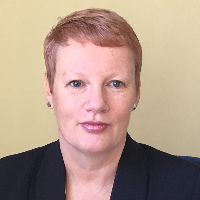
United Kingdom · 20 yrs exp
Relationship · Family · Trauma and abuse · Grief · +10 more
Read profile
United Kingdom · 8 yrs exp
Stress, Anxiety · Trauma and abuse · Grief · Self esteem · +6 more
Read profile
United Kingdom · 12 yrs exp
Stress, Anxiety · Relationship · Grief · Parenting · +7 more
Read profile
United Kingdom · 8 yrs exp
Stress, Anxiety · Relationship · Grief · Self esteem · +15 more
Read profile
United Kingdom · 6 yrs exp
Stress, Anxiety · Grief · Parenting · Depression · +11 more
Read profile
United Kingdom · 8 yrs exp
Stress, Anxiety · Grief · Depression · Compassion fatigue · +10 more
Read profile
United Kingdom · 5 yrs exp
Stress, Anxiety · Addictions · Relationship · Grief · +1 more
Read profile
United Kingdom · 5 yrs exp
Stress, Anxiety · Relationship · Grief · Depression · +9 more
Read profile
United Kingdom · 15 yrs exp
Stress, Anxiety · Trauma and abuse · Grief · Depression · +14 more
Read profile
United Kingdom · 13 yrs exp
Stress, Anxiety · LGBT · Trauma and abuse · Grief · +1 more
Read profile
United Kingdom · 8 yrs exp
Stress, Anxiety · Relationship · Anger · Self esteem · +4 more
Read profile
United Kingdom · 9 yrs exp
Stress, Anxiety · Relationship · Family · Trauma and abuse · +12 more
Read profile
United Kingdom · 3 yrs exp
Stress, Anxiety · Addictions · Family · Trauma and abuse · +9 more
Read profile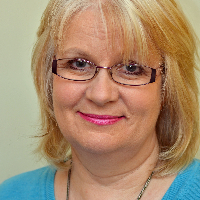
United Kingdom · 14 yrs exp
Stress, Anxiety · Relationship · Grief · Parenting · +13 more
Read profile
United Kingdom · 14 yrs exp
Stress, Anxiety · Trauma and abuse · Self esteem · Depression · +15 more
Read profile
United Kingdom · 6 yrs exp
Relationship · Trauma and abuse · Grief · Self esteem · +15 more
Read profile
United Kingdom · 20 yrs exp
Stress, Anxiety · Relationship · Family · Trauma and abuse · +9 more
Read profile
United Kingdom · 5 yrs exp
Stress, Anxiety · Relationship · Family · Self esteem · +16 more
Read profile
United Kingdom · 4 yrs exp
Stress, Anxiety · Relationship · Trauma and abuse · Self esteem · +16 more
Read profile
United Kingdom · 15 yrs exp
Stress, Anxiety · Relationship · Grief · Self esteem · +13 more
Read profile
United Kingdom · 27 yrs exp
Stress, Anxiety · Relationship · Grief · Intimacy-related issues · +13 more
Read profile
United Kingdom · 4 yrs exp
Stress, Anxiety · Relationship · Trauma and abuse · Grief · +12 more
Read profile
United Kingdom · 6 yrs exp
Stress, Anxiety · Relationship · Trauma and abuse · Grief · +7 more
Read profileStress and anxiety are part of many people's everyday experience, yet they can feel very different from one person to the next. Stress often arises when demands from work, relationships or life transitions feel overwhelming, leading to physical tension, difficulty sleeping and trouble concentrating. Anxiety tends to involve heightened worry, persistent nervousness or fear about future events, and a pattern of scanning for threats. For some people these responses are short-lived and linked to a clear external trigger. For others they become more frequent or intense, affecting mood, behaviour and day-to-day functioning.
You might notice changes in appetite, increased irritability, or a sense of being unable to switch off. Some people experience panic-like episodes - intense surges of fear with physical symptoms - while others struggle with a steady undercurrent of apprehension. Because stress and anxiety affect thinking, feeling and physical states, they often interact with sleep, relationships and work performance. Recognising these patterns is the first step in deciding whether focussed support might help you manage symptoms and regain a sense of balance.
Deciding to seek therapy is a personal choice and often comes when self-help strategies are no longer enough. You might consider talking to a counsellor if worry or stress frequently interferes with daily tasks, such as getting out of bed, concentrating at work or engaging with friends and family. If you notice persistent low mood, avoidance of previously enjoyed activities, or frequent physical complaints like tension headaches or stomach upset that do not have a clear medical cause, these can be signs that targeted support could help.
Other indicators include sleep disturbance that does not resolve with routine changes, recurring panic episodes, or repetitive negative thinking that you find hard to change. If stress is related to a particular situation - such as caregiving responsibilities, employment pressures or a long-term health condition - therapy can offer ways to manage the practical and emotional load. Therapy is also helpful when you want to explore how long-standing patterns in relationships or thinking may be contributing to ongoing anxiety, and to develop new strategies for coping and resilience.
Therapy for stress and anxiety typically begins with an initial conversation where you and a counsellor explore the main concerns, previous experiences of help and what you hope to achieve. Early sessions are often used to build rapport, clarify goals and map how symptoms show up across your life. Counsellors work collaboratively with you, using questions and reflections to uncover triggers, unhelpful thinking patterns and behaviours that maintain distress. Sessions are usually structured around your priorities, with flexibility to address urgent problems when they arise.
As therapy progresses you may look at practical coping strategies to reduce immediate stress and techniques to manage anxiety symptoms when they appear. You might also explore underlying issues such as perfectionism, relationship patterns or past experiences that continue to influence your responses. Progress is often gradual and can include setbacks; a counsellor will support you to notice small changes and to adapt strategies that fit your circumstances. Many people find that regular review of goals helps keep therapy focused and relevant to daily life.
Sessions are commonly weekly or fortnightly and tend to last around 50 to 60 minutes. Some people prefer a short-term, goal-focused programme to address specific problems, while others choose longer-term work to explore deeper patterns. Counsellors may discuss homework or practice tasks between sessions to help you apply new skills in real situations. It is reasonable to expect discussion about information-sharing boundaries and records, professional registration and the counsellor's approach during early meetings so you know how the relationship will be managed.
There is no single approach that fits everyone, and many counsellors draw on more than one way of working. Cognitive-behavioural approaches are widely used and often focus on identifying and changing thoughts and behaviours that maintain anxiety, alongside practical techniques such as breathing and relaxation. Mindfulness-based approaches help you develop a different relationship with anxious thoughts by practising present-moment awareness and gentle acceptance. Psychodynamic-informed counselling explores how past experiences and relationship patterns influence current anxiety, offering insight into long-term drivers of distress.
Other approaches include acceptance and commitment work, which encourages you to clarify values and take steps towards them even when anxiety is present, and interpersonal approaches that focus on improving communication and relationships that may contribute to stress. When reading therapist profiles on this site, you will see descriptions such as therapists who list CBT among their approaches or those who work with mindfulness-based methods. Those descriptions indicate the approaches practitioners say they use, which can help you find someone whose style aligns with what you prefer.
Online therapy has become a common way to access counselling for stress and anxiety and can offer more flexibility in how and where you meet. Sessions typically take place via video call, telephone or messaging platforms, and some counsellors combine online and face-to-face work. Meeting by video lets you have a conversational experience similar to in-person sessions while remaining at home or at another familiar location. Telephone and messaging can feel more accessible for some people, particularly if travel, mobility or location are barriers.
When choosing online therapy, consider the environment you will use for sessions - a quiet room where you will not be interrupted can help you engage fully. Technical factors such as a stable internet connection and a device with a camera and microphone matter for video work. You might also want to ask about how notes are kept and how emergencies are handled, including local contact options in the UK. Online therapy can be effective for many people, but it is normal to weigh up comfort with remote communication and the type of support you need before deciding which format to try.
Finding the right counsellor often means matching on a few practical and personal features. Consider whether you prefer a counsellor who emphasises practical skills and short-term strategies or one who focuses on relational patterns and longer-term exploration. Look for information about professional registration such as BACP, HCPC or NCPS where applicable, as these indicate that a practitioner meets recognised professional standards in the UK. Language, cultural competence and experience with particular life stages or workplace pressures are also important factors to note when comparing profiles.
Think about session logistics such as the format offered - face-to-face, video, phone or blended models - and whether the counsellor describes working with the specific stresses you face. Reading practitioner descriptions can give you a sense of their approach and areas of focus; remember that a list of approaches on a profile reflects what a counsellor says they work with, not a formal accreditation in a given method. Trust your sense of fit - many people make an initial contact to get a feeling for how a counsellor communicates and whether their style feels approachable. Taking time to reflect on what matters most to you - practical skills, empathy, shared language or a particular therapeutic orientation - helps you choose someone who supports the outcomes you hope to achieve.