
Amanda Bouvier
BACP· Accepting clientsUnited Kingdom · 15 yrs exp
Stress, Anxiety · Family · Grief · Depression · +12 more
Read profileThe therapy listings are provided by BetterHelp and we will earn a commission if you use our link - at no cost to you.
This page lists counsellors who specialise in hospice and end-of-life counselling across the UK and online. Browse profiles to compare therapeutic approaches, registration and languages spoken, then explore the listings below.
United Kingdom · 15 yrs exp
Stress, Anxiety · Family · Grief · Depression · +12 more
Read profile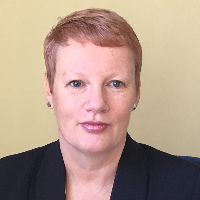
United Kingdom · 20 yrs exp
Relationship · Family · Trauma and abuse · Grief · +10 more
Read profile
United Kingdom · 14 yrs exp
Stress, Anxiety · Trauma and abuse · Self esteem · Depression · +15 more
Read profile
United Kingdom · 27 yrs exp
Stress, Anxiety · Relationship · Grief · Intimacy-related issues · +13 more
Read profile
United Kingdom · 12 yrs exp
Stress, Anxiety · Relationship · Family · Grief · +15 more
Read profile
United Kingdom · 18 yrs exp
Stress, Anxiety · Relationship · Trauma and abuse · Depression · +12 more
Read profile
United Kingdom · 3 yrs exp
Stress, Anxiety · Relationship · Anger · Self esteem · +11 more
Read profile
United Kingdom · 20 yrs exp
Relationship · Family · Grief · Depression · +14 more
Read profile
United Kingdom · 15 yrs exp
Stress, Anxiety · Relationship · Trauma and abuse · Self esteem · +16 more
Read profile
United Kingdom · 5 yrs exp
Stress, Anxiety · Self esteem · Career · Depression · +10 more
Read profile
United Kingdom · 6 yrs exp
Stress, Anxiety · Relationship · Trauma and abuse · Grief · +11 more
Read profile
United Kingdom · 7 yrs exp
Stress, Anxiety · LGBT · Family · Intimacy-related issues · +15 more
Read profile
United Kingdom · 7 yrs exp
Stress, Anxiety · Relationship · Trauma and abuse · Grief · +12 more
Read profile
United Kingdom · 10 yrs exp
Relationship · Trauma and abuse · Grief · Self esteem · +10 more
Read profile
United Kingdom · 7 yrs exp
Stress, Anxiety · Family · Trauma and abuse · Grief · +16 more
Read profile
United Kingdom · 20 yrs exp
Stress, Anxiety · Trauma and abuse · Grief · Anger · +13 more
Read profile
United Kingdom · 12 yrs exp
Stress, Anxiety · Relationship · Family · Trauma and abuse · +12 more
Read profile
United Kingdom · 13 yrs exp
Stress, Anxiety · Relationship · Family · Parenting · +13 more
Read profile
United Kingdom · 27 yrs exp
Stress, Anxiety · Relationship · Eating · Self esteem · +16 more
Read profile
United Kingdom · 12 yrs exp
Stress, Anxiety · Addictions · Relationship · Trauma and abuse · +16 more
Read profile
United Kingdom · 9 yrs exp
Stress, Anxiety · Grief · Parenting · Self esteem · +7 more
Read profile
United Kingdom · 7 yrs exp
Stress, Anxiety · Relationship · Grief · Depression · +9 more
Read profile
United Kingdom · 5 yrs exp
Stress, Anxiety · Trauma and abuse · Grief · Self esteem · +13 more
Read profile
United Kingdom · 5 yrs exp
Stress, Anxiety · Relationship · Trauma and abuse · Grief · +13 more
Read profileHospice and end-of-life counselling focuses on the emotional, relational and practical aspects of facing a life-limiting illness or the dying process. You may seek this kind of support when you are approaching the end of life yourself, as a family member or friend of someone who is dying, or as a carer who is dealing with anticipatory grief and changing responsibilities. Counselling in this area often addresses existential questions, fear and uncertainty, changing identity, unresolved relationships and practical worries about dying, care and the aftermath. Because end-of-life experiences are deeply personal, counselling is typically tailored to what matters most to you - whether that is finding meaning, managing anxiety, preparing for practical decisions, saying goodbye, or supporting family dynamics.
The emotional impact of end-of-life situations can ripple out to many parts of your life. You may notice changes in sleep, appetite or concentration, shifts in your social connections, or a strong need to make sense of what is happening. Counsellors who specialise in this area aim to help you make sense of these experiences, express difficult feelings and explore coping strategies that fit with your values and cultural background. Many people also find it helpful to include conversations about legacy, memory and practical planning as part of the therapeutic process.
Not everyone in the midst of an end-of-life situation will want counselling, but there are common signs that indicate it may help. You might find that your distress feels overwhelming or persistent, that it interferes with daily tasks, or that you repeatedly revisit the same worries without relief. You may be struggling with intense guilt, anger or unresolved conversations with a loved one, or you may be caring for someone and experiencing burnout, resentment or grief ahead of loss. Family members often find that dynamics change under the strain of illness - old conflicts can resurface and communication can become difficult. If these shifts leave you feeling isolated or unable to function in ways you need, talking to a counsellor can offer a space to process and to rehearse how you want to be with others in the time you have.
Another sign you could benefit from counselling is when practical decision-making is clouded by emotion. End-of-life decisions about care preferences, advance care planning and legal matters can feel impossible to approach alone. A counsellor can help you clarify priorities and communicate them to family and health professionals in ways that respect your values. You may also want support simply to be heard by someone outside your circle - someone who can hold complex emotions without judgement and help you find ways to live well in difficult circumstances.
Your first conversations with a counsellor will typically focus on what brings you to counselling and what you hope to achieve. You will have space to describe the situation, the people involved and what feels most urgent. The counsellor will usually ask about practical considerations such as your current care arrangements, any health and social needs that affect your day-to-day life, and whether you are receiving other kinds of support. Together you will clarify short-term goals - for example, managing overwhelming anxiety, improving communication with family, creating opportunities for meaningful conversations, or planning for bereavement.
Sessions are shaped by your needs and may vary in frequency and duration. Some people prefer short focused work aimed at specific issues, while others choose ongoing support to process evolving emotions. Counselling can include space for emotional expression, narrative work to explore life stories and meaning, practical problem-solving and guided reflection on relationships and legacy. Your counsellor will work at a pace that feels tolerable for you, recognising that grief and confrontation with mortality can bring waves of feeling rather than a steady trajectory. You should expect a respectful, compassionate approach that recognises the complexity of dying and bereavement without rushing you toward resolution.
There is no single way to provide hospice and end-of-life counselling, and different counsellors bring a range of approaches to their work. You may find counsellors who list person-centred approaches among their methods, offering a listening-based style that prioritises your perspective and values. Others may describe psychodynamic approaches that explore how past relationships and patterns shape current responses to illness and loss. Some counsellors mention narrative work, which helps you craft a coherent story of what has happened and what you want to carry forward. Approaches that address trauma-related responses may also appear among those listed by counsellors, as some people experience distressing memories or reactions during the end-of-life phase. Therapists who list meaning-centred or existential approaches often focus explicitly on questions of purpose, mortality and the search for coherence when facing life-limiting conditions. When you look through profiles, you can see which approaches are mentioned and think about which style might fit your preferences and cultural background.
It is important to remember that a counsellor’s listed approaches are descriptive, not a guarantee of particular qualifications. If an approach appeals to you, you can ask about the counsellor’s experience working with end-of-life issues and whether their way of working aligns with what you need. Many counsellors combine elements from different approaches to respond flexibly to your changing situation.
Online counselling offers an option to connect by video, telephone or text-based messaging from your own home or another setting that feels comfortable. For some people, remote sessions help with mobility, distance from services, or the need to balance care responsibilities. Counsellors may offer a mix of remote and face-to-face meetings depending on what you and they find effective. Before starting, you will usually discuss practical arrangements such as session length, format and any preferences about who may be present during calls - for example, whether family members join you for part of a session to support communication.
If you choose online counselling, think about where you will sit, how to minimise interruptions, and what to do if a session becomes very distressing. Some people create a comfortable environment with familiar objects, notes about questions to raise, and a plan for calming activities after a session. Technology can sometimes interfere with the flow of conversation, so it is reasonable to discuss contingency plans with your counsellor, such as switching to a phone call if video fails. You should also feel able to talk about emotional safety - for example, if strong feelings arise during a session and you need time to recover, a counsellor can help you plan how to get support locally. Many counsellors who work online are experienced in adapting their approach to maintain closeness and presence across distance.
When you begin to search for a counsellor, consider registration with professional bodies such as BACP, HCPC or NCPS as a marker that the practitioner follows recognised professional and ethical standards. Look for profiles that describe a focus on hospice, palliative care or bereavement and read the way counsellors describe their approach to end-of-life issues. Language and cultural match can be important if you want someone who understands particular religious or cultural perspectives on dying and bereavement. Experience with family systems, advance care conversations or carer support may also be relevant depending on your priorities.
Your sense of fit will matter more than any single credential. Pay attention to how counsellors describe their work and whether the tone feels respectful of your values. Many counsellors offer an initial conversation to answer questions about their style and experience; you can use that opportunity to ask about how they work with families, how they handle strong emotion, and what they see as realistic session goals. Think about practicalities such as session format, language, and whether they mention working with people in similar circumstances. Choosing a counsellor is a personal decision - you may meet more than one before finding someone who feels like the right match for you.
Whatever path you choose, counselling can be a place to explore what matters most to you as you navigate end-of-life issues. The counsellors listed on this site offer a range of approaches and professional registrations so you can find someone whose experience and way of working align with your needs. Take your time, ask questions, and choose the person who helps you feel heard and supported in the way you want to be.