
Lorena Borbinceane
NCPS· Accepting clientsUnited Kingdom · 6 yrs exp
Stress, Anxiety · Grief · Parenting · Depression · +11 more
Read profileThe therapy listings are provided by BetterHelp and we will earn a commission if you use our link - at no cost to you.
Speaking to a therapist in your native language can make it easier to express feelings and access culturally relevant support. Browse Romanian-speaking therapists below to view counsellor profiles and learn about their approaches.
United Kingdom · 6 yrs exp
Stress, Anxiety · Grief · Parenting · Depression · +11 more
Read profile
United Kingdom · 8 yrs exp
Stress, Anxiety · Relationship · Parenting · Career · +16 more
Read profile
United Kingdom · 14 yrs exp
Stress, Anxiety · Trauma and abuse · Grief · Eating · +14 more
Read profile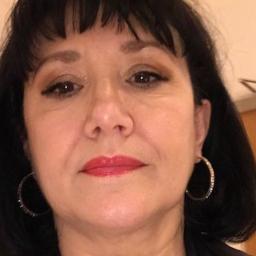
United Kingdom · 13 yrs exp
Stress, Anxiety · Relationship · Trauma and abuse · Self esteem · +8 more
Read profile
United Kingdom · 6 yrs exp
Stress, Anxiety · Relationship · Family · Trauma and abuse · +12 more
Read profile
United Kingdom · 3 yrs exp
Addictions · Relationship · Family · Trauma and abuse · +13 more
Read profile
United Kingdom · 4 yrs exp
Relationship · Family · Depression · Coping with life changes · +11 more
Read profile
United Kingdom · 4 yrs exp
Stress, Anxiety · Relationship · Family · Grief · +6 more
Read profile
United Kingdom · 3 yrs exp
Stress, Anxiety · Relationship · Grief · Self esteem · +1 more
Read profile
United Kingdom · 8 yrs exp
Stress, Anxiety · Relationship · Grief · Self esteem · +1 more
Read profile
United Kingdom · 7 yrs exp
Stress, Anxiety · Addictions · Trauma and abuse · Eating · +16 more
Read profile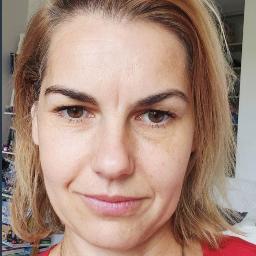
United Kingdom · 15 yrs exp
Stress, Anxiety · Relationship · Family · Self esteem · +16 more
Read profile
United Kingdom · 11 yrs exp
LGBT · Relationship · Trauma and abuse · Grief · +10 more
Read profile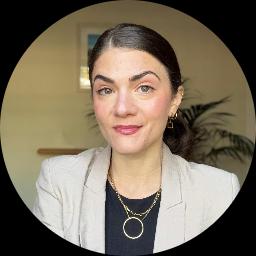
United Kingdom · 4 yrs exp
Stress, Anxiety · Family · Grief · Self esteem · +12 more
Read profile
United Kingdom · 5 yrs exp
Stress, Anxiety · Trauma and abuse · Career · Coping with life changes · +14 more
Read profile
United Kingdom · 6 yrs exp
Stress, Anxiety · Trauma and abuse · Grief · Self esteem · +13 more
Read profile
United Kingdom · 7 yrs exp
Stress, Anxiety · Self esteem · Depression · Coping with life changes · +8 more
Read profile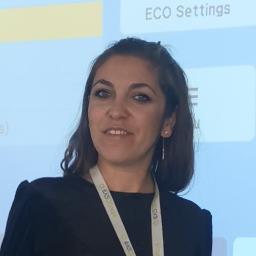
United Kingdom · 10 yrs exp
Stress, Anxiety · Relationship · Family · Grief · +4 more
Read profile
United Kingdom · 8 yrs exp
Stress, Anxiety · Addictions · Trauma and abuse · Self esteem · +16 more
Read profile
United Kingdom · 6 yrs exp
Stress, Anxiety · Relationship · Family · Intimacy-related issues · +11 more
Read profile
United Kingdom · 22 yrs exp
Stress, Anxiety · Addictions · Eating · Parenting · +13 more
Read profile
United Kingdom · 10 yrs exp
Stress, Anxiety · Relationship · Trauma and abuse · Compassion fatigue · +15 more
Read profile
United Kingdom · 3 yrs exp
Relationship · Family · Trauma and abuse · Grief · +15 more
Read profile
United Kingdom · 12 yrs exp
Stress, Anxiety · Relationship · Grief · Depression · +6 more
Read profileWhen you speak in your first language you access a richer emotional vocabulary and familiar idioms that carry personal meaning. You are more likely to reach into childhood memories, family narratives and culturally shaped ways of describing pain or joy. That nuance can make therapeutic conversations feel more immediate and less effortful. You may find it easier to name subtle feelings, explain cultural references and describe family dynamics when you are not translating concepts in your head. For many people this leads to a more natural flow in sessions and a stronger sense that the therapist understands the context of their experience.
Language and culture are tightly linked. Speaking Romanian in therapy often opens the door to discussions about migration, identity, community expectations and cultural values in ways that would be harder in a different language. A therapist who can converse in Romanian can help you explore how cultural norms have shaped your responses to relationships, work and wellbeing. You may also find it easier to discuss traditions, religious beliefs or family roles that are important in your life. That cultural attunement can shape the pace and focus of the work so it feels relevant to your background and current situation.
Language barriers can create misunderstandings that affect the therapeutic process. Words that seem equivalent across languages often carry different connotations, so a direct translation may miss emotional tone or historical meaning. You might spend time explaining terms or correcting interpretations rather than exploring feelings, and that can slow progress. When the therapist and you share a language, conversations can move more naturally and you can tackle deeper material without constant clarification.
Emotional nuance is particularly vulnerable to loss in a non-native language. Subtle shades of sadness, shame or relief may be difficult to articulate when you are translating or using a more limited vocabulary. That can make it harder to access the precise memory or sensation that matters in therapy. You may find that certain images, proverbs or phrases from Romanian carry therapeutic power that is not replicable in another language. Choosing to work in Romanian can preserve those moments and allow you and your counsellor to explore them fully.
Online therapy commonly mirrors face-to-face work in structure - you can expect time to describe what brings you to therapy, a shared plan for sessions and space to reflect between meetings. With a Romanian-speaking therapist you will be able to use your preferred vocabulary and cultural references within that framework. Therapists listed on directories will usually describe their areas of interest and the approaches they use. When reading profiles you will see descriptions such as person-centred, psychodynamic or cognitive approaches, and some therapists will list specific methods among their approaches. Those descriptions can help you identify therapists whose style resonates with you, but they do not replace a conversation about how the approach will be used in sessions.
Online work requires a reliable internet connection and a comfortable setting where you can speak openly. You should prepare a place where interruptions are minimal and where you feel at ease to talk in Romanian. Therapists will often outline the practical arrangements for online sessions on their profiles, including session length and fees. In the UK context many therapists are registered or accredited with professional bodies and mention their professional status on their profiles. When starting online therapy you can expect to agree on how you will contact each other between sessions and what to do in an emergency, so that the practical aspects of the work are clear before you begin.
Many Romanian-speaking people contend with cultural stigma around mental health and therapy. You may worry about how family members will respond if they learn you are seeking support, or feel pressure to manage difficulties privately. These concerns can delay help-seeking or shape the kinds of questions you bring to therapy. A therapist who understands these cultural dynamics can help you navigate conversations with relatives, set boundaries and explore how cultural expectations influence your choices. Talking in Romanian can make it easier to unpack these issues because cultural nuances are woven into the language itself.
Locating a counsellor who understands both the language and the broader cultural landscape can feel challenging. You might be looking for someone who appreciates community customs, religious practices or migration-related stressors. While directories can help you identify therapists who speak Romanian, profiles vary in the level of detail they provide. Use profiles to find potential matches by reading about stated areas of experience, the populations they work with and the approaches they list. It is normal to reach out to a few counsellors to ask questions about how they approach cultural matters before committing to sessions.
Online therapy widens your options by letting you connect with Romanian-speaking counsellors across the UK and beyond. That can be especially helpful if your local area has few Romanian-speaking clinicians. Online sessions also offer scheduling flexibility if you balance work, family or study commitments. Many people find that being at home during sessions reduces travel stress and makes it easier to fit therapy into a busy life. The ability to meet from a familiar setting can also help you feel more at ease when discussing sensitive topics.
Choosing a therapist is a personal process. Start by reading profiles to identify counsellors who mention working with issues that matter to you and who list Romanian among the languages they use. Look for clear information about the therapist’s professional registration or qualifications in the UK context, and note the approaches they list, keeping in mind that listing an approach does not mean a particular credential. Consider contacting a few therapists to ask how they work with Romanian-speaking clients and how they incorporate cultural context into sessions. Trust your sense of rapport - if a therapist responds in a way that feels empathetic and respectful, that is often a good sign. It is also reasonable to ask practical questions about session length, fees and the typical structure of their work so you can make an informed choice.
Therapy in your native language can be a meaningful step towards understanding yourself and improving how you manage stress, relationships and life transitions. Using a directory to find Romanian-speaking therapists gives you a way to explore profiles, read about approaches and identify professionals who may be a good fit for your needs. Take your time, ask questions, and choose someone with whom you feel heard and understood in Romanian.