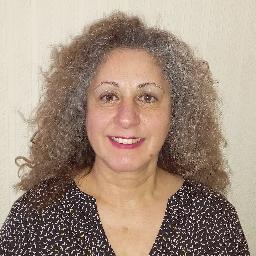
Fariba Shahbakhti-Warrington
BACP· Accepting clientsUnited Kingdom · 3 yrs exp
Stress, Anxiety · Addictions · Family · Trauma and abuse · +9 more
Read profileThe therapy listings are provided by BetterHelp and we will earn a commission if you use our link - at no cost to you.
Accessing therapy in your native language can make it easier to express feelings, memories and cultural meaning. Below you can browse profiles of Persian-speaking therapists to learn about their approaches, experience and background.
Use the listings to find practitioners who speak Persian and who describe work that aligns with what you are looking for.
United Kingdom · 3 yrs exp
Stress, Anxiety · Addictions · Family · Trauma and abuse · +9 more
Read profile
United Kingdom · 7 yrs exp
Stress, Anxiety · Relationship · Family · Self esteem · +5 more
Read profile
United Kingdom · 5 yrs exp
Stress, Anxiety · Trauma and abuse · Self esteem · Coping with life changes · +15 more
Read profile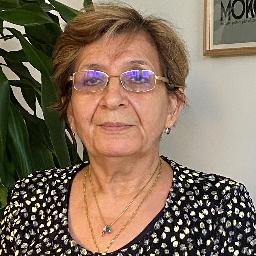
United Kingdom · 17 yrs exp
Relationship · Family · Grief · Parenting · +12 more
Read profile
United Kingdom · 19 yrs exp
Stress, Anxiety · Trauma and abuse · Anger · Depression · +1 more
Read profile
United Kingdom · 11 yrs exp
Stress, Anxiety · Addictions · Relationship · Trauma and abuse · +16 more
Read profile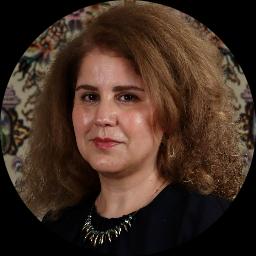
United Kingdom · 5 yrs exp
Stress, Anxiety · Relationship · Trauma and abuse · Intimacy-related issues · +12 more
Read profile
United Kingdom · 14 yrs exp
Stress, Anxiety · Relationship · Trauma and abuse · Intimacy-related issues · +13 more
Read profile
United Kingdom · 4 yrs exp
Stress, Anxiety · Relationship · Family · Self esteem · +13 more
Read profile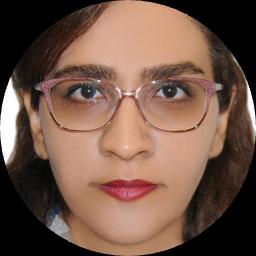
United Kingdom · 10 yrs exp
Stress, Anxiety · Relationship · Parenting · Self esteem
Read profile
United Kingdom · 5 yrs exp
Stress, Anxiety · Relationship · Family · Trauma and abuse · +1 more
Read profile
United Kingdom · 4 yrs exp
Stress, Anxiety · Trauma and abuse · Grief · Depression · +1 more
Read profile
United Kingdom · 3 yrs exp
Stress, Anxiety · Trauma and abuse · Grief · Self esteem · +1 more
Read profile
United Kingdom · 7 yrs exp
Stress, Anxiety · Addictions · Grief · Self esteem · +1 more
Read profileWhen you speak in Persian, you bring not only words but also idioms, cultural references and ways of naming feelings that may not translate cleanly into another language. That can be especially important when you are discussing childhood experiences, family roles or faith. Expressing grief, anger or shame in the language you grew up with can allow for subtler, richer descriptions and can make it easier for you to feel understood. This is not just about vocabulary - it is about the rhythms and metaphors you habitually use to make sense of your life.
Having a therapist who speaks Persian can also reduce the extra cognitive load that comes from translating thoughts mid-session. If you find yourself constantly searching for words, sessions can become tiring and less focused. With a Persian-speaking practitioner you can invest more of your attention in reflection, self-exploration and the therapeutic interaction itself.
Language barriers can shape the therapeutic process in subtle ways. If a therapist and client are not fluent in the same language, misunderstandings can arise about the intensity of emotions, cultural meanings attached to phrases or the significance of particular experiences. A phrase that appears straightforward in translation may carry different connotations in Persian, and those nuances matter when you are working through painful memories or complex family dynamics.
Language difficulties can also affect trust and the pace at which you open up. You might withhold certain topics because they seem difficult to explain, or you might simplify your account so it is easier to communicate. That can leave important threads unexplored. Choosing a therapist who can engage with you in Persian reduces the risk of such compression and helps you avoid a two-step process of translating feelings before they can be addressed.
Online therapy with a Persian-speaking therapist often feels similar to in-person work in terms of conversation and the kinds of issues you might address. You can expect to talk about relationships, identity, migration experiences, stress management and emotional patterns in a format where spoken and written Persian are used to make meaning together. Some practitioners will offer video sessions while others use phone or messaging; the format can shape how you communicate but should not limit the depth of the work.
One advantage of online sessions is the ability to connect with therapists who share your linguistic and cultural background even if they are not nearby. This can broaden the range of approaches, therapeutic styles and cultural perspectives available to you. You may find therapists who list particular approaches among their methods - for example, therapists who list EMDR among their approaches or those who describe a strengths-based, psychodynamic or cognitive-behavioural way of working. Those profile notes can help you identify practitioners whose language and therapeutic emphasis fit your preferences.
Many Persian speakers worry about stigma associated with therapy within family or community networks. In some families, seeking help outside the home can be seen as a sign of weakness or as an airing of personal matters. That concern can make it difficult to take the first step. There are also specific cultural expectations around honour, reputation and family roles that may shape the issues you bring to therapy and how you talk about them.
Migratory experiences add another layer of complexity. You might be working through separation from extended family, changes in social status, language learning and negotiating two cultural worlds. Questions about identity - for example, how much to preserve cultural traditions or how to parent differently in a new country - are common topics. Finding a therapist who understands these cultural and migration-related contexts and who can discuss them in Persian can make it easier to explore these themes without having to translate cultural concepts from scratch.
Online therapy opens access to a wider range of Persian-speaking practitioners across the UK and beyond. That means you can find a therapist who describes experience or a cultural background that resonates with you, even if there are few local options. Online work also adds flexibility around scheduling and location, which can be helpful if you balance work, family responsibilities or travel.
Another benefit is the ability to continue working with the same therapist if you move within the UK. Continuity can be valuable when you are building trust and working through long-term issues. Online formats can accommodate different communication preferences too; some people prefer the visual cue of video while others find phone or text-based sessions easier for emotional regulation. You can choose the format that helps you speak more freely in Persian.
When you are browsing profiles, start by noting the practitioner’s registration or accreditation, as that indicates professional standards in the UK. Read descriptions of their therapeutic approaches and look for language about the issues they mention working with. Many profiles will indicate if the therapist speaks Persian and may mention particular dialects or cultural familiarity. If a profile lists specific methods, remember that these are approaches the therapist uses - for example, therapists who list EMDR among their approaches - and do not by themselves confirm particular credentials in a modality.
Think about what matters to you beyond language. Do you prefer a therapist who emphasizes practical coping strategies, one who focuses on personal history and patterns, or someone who foregrounds cultural identity? Consider whether session formats such as video, phone or messaging will suit you. It can help to prepare a short list of topics or goals you want to address and, where possible, to note any cultural considerations you hope the therapist will understand. During an initial conversation it is reasonable to ask about how they work with clients from Persian-speaking backgrounds, how they approach family or migration issues, and what kind of pace they typically use in therapy.
Finally, trust your sense of rapport. Language match is important, but the way you feel heard and understood matters too. Over time you will get a sense of whether a particular practitioner’s style and cultural approach help you move towards the changes you want to make.