NCPS
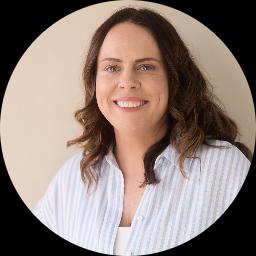
Rachel Hughes, NCPS
Therapist in the UK
Rachel is a NCPS therapist in the UK.
- 4+ years of experience
- Focus areas include Stress, Anxiety, Anger management
- Approaches include Client-Centered Therapy, Cognitive Behavioral Therapy (CBT)
See availability and next steps on BetterHelp.
About Rachel
She focuses on practical tools and conversations that can be used outside the room. Sessions often include simple exercises, reflection and collaborative planning so people can try new ways of coping between meetings. Rachel aims for therapy to feel like a guided conversation rather than a lecture.
Rachel trained to the level indicated by her NCPS credential and has four years' experience in practice. She uses a mix of client-centred listening, cognitive behavioural techniques and longer-term psychodynamic ideas depending on what a person needs. Hypnotherapy and mindfulness approaches are also available where they suit the goals of the work.
Her style is adaptable and calm. She checks in about what is and is not helping, and adjusts the approach as therapy progresses. That flexibility is intended to help people move through practical problems and emotional patterns at a pace that feels right.
Rachel works from the United Kingdom and offers sessions in English. If someone wants to begin, she asks them to use the Start Therapy button, complete a short matching questionnaire, and then schedule according to availability.
Areas of expertise
Experience
4+ years
Credentials
NCPS
Languages
English
Focus areas
See all focus areas
How these approaches translate to online therapy
Client-Centred Therapy places emphasis on listening and understanding. Online sessions use gentle, supportive conversation to help people make sense of feelings and priorities, and to identify small, practical steps forward.Cognitive Behavioural Therapy, or CBT, focuses on identifying patterns of thought and behaviour that maintain problems. In remote work it often includes short experiments, simple worksheets and clear goals to try between sessions to reduce anxiety or lift mood.
Finding the right approach is part of the work. The therapist discusses goals and preferences, then suggests which methods to try. This collaborative process means approaches can change as the person notices what helps and what does not.
Practical benefits of online therapy include easier scheduling around work or childcare and less time spent travelling. Online sessions can make it simpler to fit regular check-ins into a busy week or to use shorter meetings for focused support. The biography does not specify which session formats are offered, so confirm current options before booking to ensure they fit your routine and needs.
Frequently asked questions
What kinds of concerns can I bring to therapy?
Rachel works with stress, anxiety, anger, low self-esteem, career questions, depression, relationship and family issues, grief, parenting worries and coping with life changes.
How would you describe the therapeutic approach?
The approach is pluralistic, combining client-centred listening, cognitive behavioural techniques, psychodynamic ideas, hypnotherapy and mindfulness as useful for each person.
What is Rachel's experience background?
She has four years of experience providing counselling and therapeutic support across a range of common mental health and life concerns.
What credentials and location are listed?
Rachel holds the NCPS credential and practises from the United Kingdom.
Which languages are used for sessions?
Sessions are offered in English and Rachel accepts international clients.
What session formats are available?
The original biography does not specify session formats; please confirm current session options before booking.
How are sessions paid for and what do they cost?
Cost varies with location and therapist availability; sessions use a subscription that can be cancelled at any time.
How do I begin if I want to try therapy?
Use the Start Therapy button, complete a short matching questionnaire, and then schedule a session according to therapist availability.