NCPS
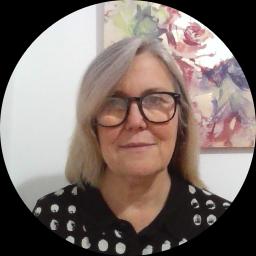
Caroline Tresman, NCPS
Therapist in the UK
Caroline is a NCPS therapist in the UK.
- 10+ years of experience
- Focus areas include Stress, Anxiety, Trauma and abuse
See availability and next steps on BetterHelp.
About Caroline
Her approach is person-centred and integrative. She draws on Emotional Freedom Technique, also known as EFT or Tapping, and Matrix Reimprinting to help shift painful memories and unhelpful patterns. She may also borrow ideas from cognitive behavioural therapy and transactional analysis when they suit the issue at hand.
Caroline has experience with a wide range of concerns, including depression, panic and social anxiety, anger, relationship and family problems, grief, eating and sleeping issues, addictions and aspects of neurodiversity such as autism and Asperger syndrome. She also supports people facing gender dysphoria, body image distress and caregiver stress.
Sessions are offered in English and she sees people both in person and online. She is based in the United Kingdom and accepts international clients as part of her practice. Fees vary with location and therapist availability and sessions use a subscription that can be cancelled at any time.
To begin, clients use the Start Therapy button and complete a short matching questionnaire before scheduling. Caroline aims to make initial contact quickly and offers a prompt first session where possible.
Areas of expertise
Experience
10+ years
Credentials
NCPS
Languages
English
Focus areas
See all focus areas
Also listed for
See all related areas
How therapeutic approaches translate to online care
Caroline uses a person-centred, integrative style with specific tools to help shift difficult memories and responses. Emotional Freedom Technique or EFT, often called tapping, is a brief, body-focused method that guides a person to tap on points while talking through distressing thoughts to reduce intensity and manage anxiety or cravings. Matrix Reimprinting works with memories by revisiting past moments and gently changing how they are experienced, which can ease trauma-related reactions and unhelpful beliefs.Choosing the right approach is a collaborative process. The therapist will talk through your goals and preferences and suggest techniques that fit your needs. Together you can try different methods and adapt them as progress is made, so the work feels practical and relevant to everyday life.
Online therapy can make it easier to fit sessions around work, family or travel. It can reduce time spent commuting and allow a quicker check-in when days are busy. Because the original biography lists online practice, confirm the exact session formats available before booking to be sure they suit your routine and technical setup.
Frequently asked questions
What kinds of problems does Caroline help with?
She supports people with stress, anxiety, trauma and abuse, depression, anger, relationship and family issues, grief, eating and sleeping difficulties, addictions and other life changes.
How would you describe the therapeutic style?
Her style is person-centred and integrative, using gentle, practical tools and talking therapies to help people feel safer and make changes that matter to them.
What is her professional background?
She has worked therapeutically since 2015 and completed an MSc-level counselling qualification in 2020, alongside ongoing study into nutrition and mental health.
Where does she practise and what credentials does she hold?
She is based in the United Kingdom and holds NCPS as her listed credential.
Which languages and client locations are supported?
Sessions are offered in English and she accepts international clients.
What session formats are available?
The original biography mentions both in-person and online work; confirm the current session options with the therapist before booking.
How are sessions paid for and what do they cost?
Fees vary with location and therapist availability, and sessions use a subscription model that can be cancelled at any time.
How do I start a series of sessions?
Use the Start Therapy button, complete a short matching questionnaire, and then schedule a time based on the therapist's availability.