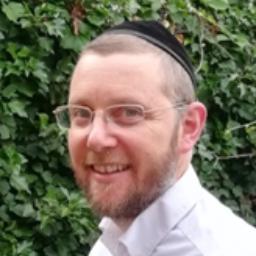
Benjamin ('Beni') Fleischer
BACPUnited Kingdom · 6 yrs exp
Stress, Anxiety · Relationship · Self esteem · Depression · +6 more
Read profileThe therapy listings are provided by BetterHelp and we will earn a commission if you use our link - at no cost to you.
Therapy in your native language can help you express emotions and memories with greater clarity and depth. Browse Yiddish-speaking therapists below to find counsellors whose language, approach and focus match your needs.
United Kingdom · 6 yrs exp
Stress, Anxiety · Relationship · Self esteem · Depression · +6 more
Read profile
United Kingdom · 7 yrs exp
Stress, Anxiety · Trauma and abuse · Self esteem · Depression · +1 more
Read profileWhen you speak in the language you grew up with, subtle meanings, idioms and the emotional weight of words come through more naturally. Yiddish carries cultural references, humour and layers of family history that may not translate easily into another language. That matters in therapy because what you choose to say, what you leave unsaid and what you sense in another person are all shaped by language. Working with a Yiddish-speaking counsellor can reduce the effort of translating your experience, leaving more room for connection and reflection.
For many people the language you use is woven into identity and community. Speaking Yiddish in therapy can allow you to call on that cultural context when exploring relationships, grief, faith and life transitions. You may find it easier to name feelings, tell stories from childhood or talk about communal expectations when you do not have to reshape them into a second language. That immediacy can help sessions feel more natural and may make it quicker to establish a rapport with a counsellor who understands those cultural touchpoints.
Language barriers do more than slow conversation. They can shape which memories and emotions you bring into the room. When you have to reach for a non-native word, you might omit phrases that feel too complicated to explain. Sarcasm, jokes and metaphors often lose their punch when translated, and important cultural references can become flattened. This can leave you feeling misunderstood or frustrated, and it can mean that important aspects of an experience remain unexplored.
Even when interpreters or bilingual friends help with translation, the dynamic changes. You might hold back sensitive material in front of a third person, or you may find that the subtle rhythm of a story is altered. A Yiddish-speaking counsellor who understands the ways certain expressions carry emotional meaning can help you access parts of your experience that would otherwise be difficult to articulate. That access is particularly important when discussing trauma, family history or religious practice, where small word choices can carry a lot of emotional weight.
Online therapy generally follows the same therapeutic frame as face-to-face work, with regular sessions, agreed boundaries and a focus on what you want to address. When you choose a Yiddish-speaking counsellor online, the practical benefits include being able to meet someone whose language and cultural understanding align with yours even if they are not in your immediate area. Sessions may take place by video, telephone or text-based messaging platforms. Before you begin, most counsellors will share how they work, what to expect from a session and how they handle appointment times and payments. You can expect a professional approach to appointments and a discussion about how to manage interruptions and privacy at home.
It is reasonable to ask about the counsellor's registered status with recognised UK professional bodies and about general matters such as session length, fees and the types of issues they typically work with. If you are concerned about information-sharing boundaries and data privacy in an online setting, discuss how the counsellor stores notes, conducts video calls and protects personal details. Choosing a setting at home that is free from interruptions and that respects your need for a calm space will make it easier to get the most from online sessions.
Many people who speak Yiddish worry about cultural stigma, misunderstandings within their community or a lack of therapists who understand their specific cultural background. Some communities place a high value on family privacy or on solving problems within close networks, and seeking help from a counsellor can feel unfamiliar or even fraught. Others are unsure how to find a counsellor who speaks Yiddish or who understands religious and cultural practices that shape daily life and relationships.
Another common concern is dialect and nuance. Yiddish varies across communities, and certain words or expressions may be more familiar in one group than another. You might prefer a counsellor who uses specific dialectical forms or who shares similar cultural references. There is also the question of intersectional identity - how language interacts with faith, gender roles, age and immigration history. A good match is not only about language fluency but about a counsellor's sensitivity to the cultural landscape that frames your experience.
Online therapy widens the pool of Yiddish-speaking counsellors you can consider, allowing you to find someone with the right mix of language, cultural understanding and therapeutic approach. You no longer need to limit your search to local practitioners. The flexibility of remote sessions means you may be able to fit therapy into a busy schedule and meet a counsellor who works from a different town or region. This expanded access can be particularly valuable if you live outside major urban centres or if you are looking for a specific combination of language and expertise.
When choosing a Yiddish-speaking counsellor, think about several practical factors. Consider whether you prefer video sessions that allow visual cues or telephone conversations that feel more anonymous. Look at each counsellor's profile to see how they describe their areas of focus, the populations they work with and the approaches they list; for example, some therapists list CBT, psychodynamic approaches or EMDR among their approaches. Note whether they are registered or accredited with a recognised UK professional body and whether they mention experience with issues similar to yours. Pay attention to how they describe cultural understanding and whether they reference working with Yiddish-speaking clients or communities.
It is also useful to reflect on logistics such as session length, payment methods and how a counsellor handles cancellations and rescheduling. You may want to ask about how they protect data privacy, how they handle notes and what to do in a crisis. If dialect matter s to you, it is appropriate to mention that in an introductory message and ask about the counsellor's familiarity with particular expressions or community practices. Trust and rapport develop over time, and a strong early conversation about language, culture and expectations can help you feel confident that you have chosen someone who understands both your words and the meanings behind them.
Searching for a Yiddish-speaking counsellor is often the first step toward having conversations that feel more natural and complete. Whether you are exploring personal concerns, family dynamics or life transitions, finding a therapist who speaks your language can change the tone of therapy and open up new possibilities for understanding and growth.