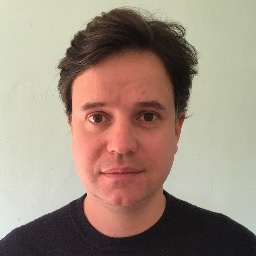
Gorazd Valjavec
BACPUnited Kingdom · 6 yrs exp
Stress, Anxiety · Relationship · Family · Intimacy-related issues · +12 more
Read profileThe therapy listings are provided by BetterHelp and we will earn a commission if you use our link - at no cost to you.
Accessing therapy in your native language can make it easier to express emotions and build trust with a clinician. Browse the Slovenian-speaking therapists listed below to learn about their approaches, credentials and areas of focus.
When you work with a therapist who speaks Slovenian, you gain more than a literal translation of words. Language carries culture, emotion and nuance. The phrases you grew up with, the idioms that carry family history, and the softer or sharper ways you name distress are all part of how you understand yourself. In a therapeutic conversation those elements influence how you describe feelings, recall memories and name what needs to change. Being able to speak in Slovenian can reduce the effort of searching for the right word and allow you to get straight to the experience you want to explore.
Having a clinician who understands Slovenian also helps with relational subtleties. You may find it easier to express humour, frustration or grief without filtering, and the therapist can respond in culturally resonant ways. That does not guarantee a particular outcome, but it often makes the early weeks of building a therapeutic connection feel more natural, which can matter when you are deciding whether to engage in longer-term work.
Language differences are more than a practical barrier. When you are forced to speak in a second language, certain emotions can feel flattened or unusually intense. You might find it hard to describe subtle shifts in mood or the overlapping feelings that living between cultures can create. This can lead to misunderstandings, or to you offering a simplified account that misses important detail. Therapists who do not share your language can still do good work, but the process often requires extra time to check meaning and to reframe complex expressions.
There are also cultural cues embedded in language that influence how you perceive help-seeking. Phrases that signal shame, pride, duty or affection may not map neatly into English equivalents. When you speak Slovenian with a therapist, those cues stay intact, making it easier to trace connections between your language, your relationships and the patterns you want to change. If you have migration, family or identity issues, preserving linguistic nuance can be especially important to understanding recurring themes in your life.
Online therapy commonly takes place via video calls, telephone or text-based messaging. When you choose a Slovenian-speaking therapist for online work, expect the session to proceed much like an in-person meeting in terms of structure - you will agree goals, talk through concerns and reflect on what emerges. In the UK, many therapists are registered with professional bodies and describe their professional background on profiles, so you can learn how they present their work and whether they emphasise short-term approaches, relational therapy or other orientations. Therapists often list the approaches they use; for example, some may list CBT among their approaches while others list psychodynamic or integrative methods. This does not imply a specific qualification in a method, but it helps you understand their typical way of working.
Online sessions can make it easier to find someone who speaks Slovenian even if you do not live near a Slovenian-speaking community. Technology allows you to choose a clinician who shares your language and cultural frame, while still abiding by UK professional standards for record-keeping, data protection and ethical practice. Before you start, it is reasonable to ask about session length, fees, assessment processes and what you can expect in the first few meetings. Clear agreements about how you will work together give you a structure to evaluate whether the therapist feels like a fit.
Many Slovenian speakers carry concerns shaped by family expectations or cultural ideas about mental health. In some communities, talking about emotional distress can be framed as a personal family matter or as something that reflects on the group. That can make it harder to reach out. You might worry about how to explain therapy to relatives, or whether you will be judged for seeking help. A therapist who understands Slovenian-speaking cultural norms can be a space to unpack these dynamics and to plan how you navigate them in a way that respects your values.
Practical hurdles include knowing where to look for a clinician who speaks Slovenian, understanding the difference between NHS and personal provision, and assessing whether a therapist is registered or qualified to practise in the UK. It can be helpful to look for professionals who list Slovenian as a language and to read how they describe their approach and experience. Some therapists may have personal or professional backgrounds that give them particular insight into migration, bilingual family dynamics or cross-cultural identity. These details can inform your choice without guaranteeing any particular result.
Online therapy widens your options. You are not limited to local services, so you can select a clinician who speaks Slovenian even if there are few or no Slovenian-speaking therapists near you. This can be especially helpful if you live in a rural area, are balancing work and childcare, or prefer the convenience of meeting from home. Online work also offers flexibility in scheduling and may make it easier to continue therapy during life changes such as relocation or travel within the UK.
When choosing a Slovenian-speaking therapist, read profiles carefully to learn how they describe their work. Note whether they list approaches you recognise, how they explain what happens in sessions, and whether they indicate areas of focus that match your concerns. Consider whether you prefer a therapist who shares cultural background or one who brings a different perspective but understands bilingual dynamics. It is reasonable to ask about session policies, fees and the typical process for assessment in the first session. Trust your sense of rapport - the right fit is as much about how you feel in conversation as it is about listed credentials. If you are uncertain, a short initial conversation can help you gauge whether the therapist’s communication style and cultural understanding align with what you need.
Finding the right Slovenian-speaking clinician is a personal journey. Being able to speak in your first language can open avenues for expression and insight that might otherwise remain closed. Use the information available in profiles to guide your decision, look for clarity about professional registration and approach, and choose a practitioner with whom you feel understood. That combination of linguistic access and a thoughtful therapeutic approach can help you make meaningful progress on the concerns that brought you to therapy.