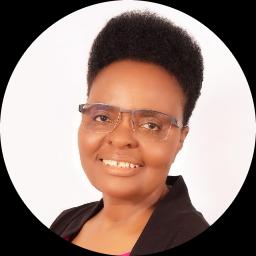
Sithembisile Mapingire
BACP· Accepting clientsUnited Kingdom · 22 yrs exp
Relationship · Family · Grief · Self esteem · +14 more
Read profileThe therapy listings are provided by BetterHelp and we will earn a commission if you use our link - at no cost to you.
Accessing therapy in the language you know best can make a big difference to how you express feelings and understand support. Below you can browse Ndebele (South)-speaking therapists and counsellors who list Ndebele (South) among their languages.
Use the profiles to learn about each practitioner's approach, experience and the ways they work online and in person.
United Kingdom · 22 yrs exp
Relationship · Family · Grief · Self esteem · +14 more
Read profile
United Kingdom · 13 yrs exp
Stress, Anxiety · Addictions · Relationship · Family · +12 more
Read profile
United Kingdom · 4 yrs exp
Stress, Anxiety · Addictions · Relationship · Family · +10 more
Read profileWhen you speak with a counsellor in Ndebele (South) you are more likely to convey subtle emotional meanings, cultural references and idioms that might be lost in translation. Words carry cultural histories and layers of feeling that are hard to shift into a second language. For many people the act of naming an emotion in their mothertongue makes it feel more real and easier to work with. That matters because therapy depends on honest expression and mutual understanding. If you are exploring personal themes such as identity, family relationships or grief, being able to use the language you grew up with can free up energy you would otherwise spend explaining terms or searching for the right phrase.
Beyond words, language signals belonging. Speaking Ndebele (South) in a therapy session can help you feel recognised and understood within your cultural context. This is particularly important if you have experienced migration, discrimination or disconnection from community. Choosing a practitioner who lists Ndebele (South) among their languages increases the chance that cultural nuances - such as customary roles, expectations and ways of communicating - will be part of the conversation. That cultural attunement supports a therapeutic relationship where you can explore sensitive topics with more ease.
When therapy happens in a language that is not your strongest, important details can be missed. You might simplify complex experiences, rely on general terms, or avoid bringing up emotions because you cannot find the precise words. Small translation losses add up to large gaps in meaning over time. Misunderstandings about context or tone can change how a counsellor frames questions or interprets what you share, which in turn affects the direction of your work together.
Another common effect is emotional dampening. Some people find it harder to access intense feelings in a second language - anger may seem less sharp, grief less palpable. That can feel safer in the short term but may slow progress if you want to work through deep material. In addition, cultural references or family dynamics that are obvious to you may need extensive explanation to someone unfamiliar with Ndebele (South) traditions. This extra explanatory work can be tiring and takes time away from therapeutic interventions. Selecting a counsellor who speaks your language helps reduce these barriers, so you can focus on healing rather than repeated translation.
Online therapy offers different practicalities compared with face-to-face meetings, and many Ndebele (South)-speaking clients find it a flexible way to connect with a counsellor who understands their language and culture. Sessions usually take place through video calls, phone calls or text-based messaging formats provided by the practitioner. In an online session you should expect the counsellor to explain how they manage boundaries, record keeping and session length, and to set out what you can expect from your appointments.
Communication style online can be slightly different - pauses, eye contact and small gestures are not always visible on screen. A Ndebele (South)-speaking practitioner who has experience working remotely will adapt their listening and questioning to suit the medium, ensuring you still feel heard and understood. If you prefer a mix of online and in-person work, some practitioners may offer both. Online therapy can make it easier for you to attend from home or another familiar place, reducing travel stress and widening your choice of counsellors who speak Ndebele (South).
Many Ndebele (South) speakers worry about stigma attached to counselling within family or community circles. You may be concerned about how seeking support will be perceived, or about sharing personal matters with someone outside your immediate network. Cultural values around endurance, respect for elders and communal problem-solving can influence whether and how people look for individual therapy. Acknowledging these factors is part of the work you might do with a counsellor who understands the cultural landscape that shapes your choices.
Finding a practitioner who both speaks Ndebele (South) and understands cultural norms can feel challenging, especially if you live in a part of the UK with fewer bilingual counselors. You might also worry about whether your experiences will be understood without constant background explanation. When reviewing profiles, look for counsellors who mention cultural competence or experience working with communities similar to yours. Remember that many practitioners are willing to learn and ask questions; a respectful curiosity about your traditions and values is an important sign of cultural sensitivity.
Online therapy widens your options because you are not limited to local practitioners. You can connect with counsellors in different cities or regions of the UK who list Ndebele (South) among their languages, giving you more chance to find a cultural fit and a communication style that feels comfortable. The flexibility of online sessions can also help if you balance work, family obligations or unpredictable schedules. Many people find that having appointments from a familiar setting makes it easier to open up.
When choosing a Ndebele (South)-speaking counsellor, pay attention to details in each profile. Look at the counsellor's stated approach and note whether they list particular methods among their approaches - that can help you match the type of conversation you want to have. Check how they describe their experience with cultural issues that matter to you, and whether they discuss working with people from similar backgrounds. Consider practical matters such as session length, fees and whether they offer video or phone options. It can help to prepare a few questions to ask at your first contact about how they work, how they handle boundaries and what you can expect in the early sessions.
Finally, trust your sense of connection. The relationship you build with a counsellor - how comfortable you feel, how well they listen and how they reflect your experiences - is often more important than formal labels. If you speak Ndebele (South), choosing a counsellor who shares your language can make it easier to build that connection and to do meaningful work on the issues that matter most to you.