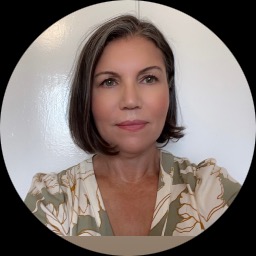
Dilnia Horton
BACPUnited Kingdom · 13 yrs exp
Relationship · Family · Eating · Parenting · +1 more
Read profileThe therapy listings are provided by BetterHelp and we will earn a commission if you use our link - at no cost to you.
Working with a therapist in your native Kurdish can make it easier to talk about feelings, culture and experiences. Browse the Kurdish-speaking therapists listed below to view profiles, languages and approaches that may suit your needs.
United Kingdom · 13 yrs exp
Relationship · Family · Eating · Parenting · +1 more
Read profile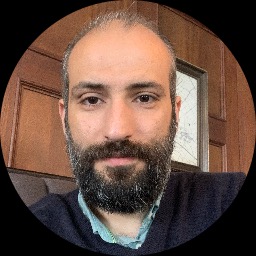
United Kingdom · 14 yrs exp
Stress, Anxiety · Relationship · Trauma and abuse · Intimacy-related issues · +13 more
Read profileWhen you speak to someone in your first language you often find nuance, idioms and emotional shading that are hard to convey in a second language. That matters in therapy because those subtle differences shape how you describe your experiences and how a therapist responds. Speaking Kurdish can help you name emotions more precisely, recall memories with richer detail and discuss cultural references that might otherwise need lengthy explanation. For many people, being able to use humour, proverbs or culturally specific terms in a session feels like being correctly read - it can deepen connection and make the work feel more relevant to your everyday life.
Therapy is not only about techniques; it is also about the relationship between you and the person you speak with. A Kurdish-speaking therapist can reduce the need for translation and cultural translation - the act of explaining context or social expectations. That can create space for more of your energy to go into understanding yourself and practicing change, rather than trying to find the right words. If concepts such as family honour, migration history or language-based identity are important to you, speaking Kurdish can make it easier to examine how these factors relate to your wellbeing.
Language barriers do more than slow down conversation. If you are using a second language you might find it difficult to access certain emotions or to describe internal states in depth. That can make therapy feel surface level, or leave you frustrated because the words you choose do not capture what you mean. Miscommunication can also lead to misunderstandings about goals, boundaries or the reasons behind particular behaviours. Over time, this may affect how effective the work feels to you.
Beyond vocabulary, cultural meanings attached to words differ across communities. A phrase that seems neutral in one language can carry a heavy moral weight in another. These differences can shape what you are willing to disclose and how you interpret questions from a therapist. You might also find yourself code-switching - shifting between languages or dialects - during a session. That is normal and can be handled well by a therapist who understands Kurdish language patterns and cultural context. When language is not a barrier, the pace and depth of therapy often feel more natural, and the work can address complex experiences such as migration, intergenerational relationships and identity without constant reinterpretation.
Online sessions with a Kurdish-speaking therapist often mirror in-person work in structure and aims. You can expect an initial conversation to cover why you are seeking therapy, what you hope to change and practical matters such as session length and fees. Much of the early work is about building a working relationship so that you feel comfortable sharing. Using Kurdish can speed this process for many people, allowing you to discuss sensitive topics with fewer linguistic barriers.
Online therapy gives you flexibility in where you meet, which can help if you live far from areas with Kurdish-speaking providers. You might use video, phone or messaging formats depending on what your therapist offers and what you prefer. Sessions by video allow you to maintain visual contact and notice non-verbal cues; phone sessions can be more personal if you are in a busy household. Before you start, it is reasonable to ask about the format they use, the session length and what happens if you need to change a booking. While these are practical questions, they help you establish a comfortable rhythm for the work.
Cultural attitudes towards mental health vary within Kurdish communities, and some people worry about stigma, judgement or misunderstanding. You might be concerned about family reactions, community gossip or being labelled. These worries are important and often form part of what you bring into therapy. A therapist who understands Kurdish cultural values can help you explore these concerns and work out ways to manage conversations with family or community if you choose to do so.
Another frequent difficulty is finding someone who speaks Kurdish and also understands the social and historical contexts relevant to your life. Migration stories, differing expectations between generations and experiences of trauma related to conflict or displacement may be part of what you want to explore. It helps to look for a therapist who lists relevant areas of focus or who describes experience working with people from similar backgrounds. That phrasing acknowledges what a professional chooses to share, without assuming formal endorsements or specific qualifications in any approach.
Online therapy widens the pool of Kurdish-speaking practitioners you can reach, especially if you live outside major cities. That increased choice means you can prioritise factors such as therapeutic approach, age, or experience with migration and family issues. Online work also offers flexibility around scheduling and reduces travel time, which can make sustained therapy more manageable alongside work, study or family commitments. For many people, the ability to meet from home or another familiar space lowers the barrier to starting therapy in the first place.
When you are looking for a therapist who speaks Kurdish, start by reading profile information to see which approaches and areas of focus they list. Some will mention approaches such as cognitive-behavioural methods, psychodynamic work, person-centred counselling or therapies like EMDR among their approaches. Remember that listing an approach indicates what a therapist uses in practice, not an automatic guarantee of specific training. It is helpful to look for indications that a therapist understands issues important to you - for example, migration, family dynamics or identity - and to note whether they mention working with Kurdish speakers.
Consider practical matters such as whether they work online, which formats they use and how they communicate about fees and session length. You may also want to check whether a practitioner is registered with a UK professional body, which offers a degree of oversight and standards. If cultural fit matters to you, look for language about how they incorporate cultural background into the work. Finally, trust your sense of whether you can speak openly with them in Kurdish; the therapeutic relationship is the most important factor in whether the work is helpful.
Finding a Kurdish-speaking therapist is often a process of reading profiles, reflecting on what matters most to you and then choosing a person whose language, approach and background feel like a good fit. If you feel nervous about starting, remember that many people take a few tries to find the right match, and that being able to speak in your native language is a strong step towards more meaningful therapy.