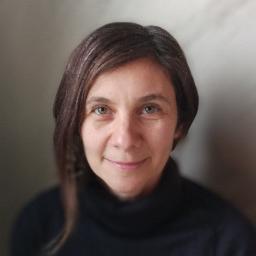
Yana Valcheva
BACP· Accepting clientsUnited Kingdom · 5 yrs exp
Relationship · Trauma and abuse · Grief · Parenting · +8 more
Read profileThe therapy listings are provided by BetterHelp and we will earn a commission if you use our link - at no cost to you.
Accessing therapy in your native Bulgarian can help you express emotions and life experience more naturally. Browse Bulgarian-speaking therapists below to view profiles and find a counsellor who matches what you need.
United Kingdom · 5 yrs exp
Relationship · Trauma and abuse · Grief · Parenting · +8 more
Read profile
United Kingdom · 5 yrs exp
Stress, Anxiety · Trauma and abuse · Grief · Self esteem · +10 more
Read profile
United Kingdom · 4 yrs exp
Stress, Anxiety · Relationship · Trauma and abuse · Self esteem · +1 more
Read profile
United Kingdom · 5 yrs exp
Stress, Anxiety · LGBT · Trauma and abuse · Self esteem · +16 more
Read profile
United Kingdom · 12 yrs exp
Stress, Anxiety · Relationship · Anger · Self esteem · +1 more
Read profile
United Kingdom · 4 yrs exp
Stress, Anxiety · Relationship · Anger · Self esteem · +11 more
Read profile
United Kingdom · 4 yrs exp
Stress, Anxiety · Grief · Self esteem · Depression · +1 more
Read profileWhen you speak in your first language you draw on a lifetime of vocabulary, cultural reference points and emotional nuance. That can make it easier to name complex feelings, recall formative memories and describe relationships in ways that feel authentic. Therapy is built on communication and the quality of that communication shapes the therapeutic relationship and the work you do together. For many Bulgarian speakers, discussing sensitive topics in Bulgarian reduces the friction of translation and lets you focus on the issues themselves rather than searching for the right English words.
Language is also wrapped up in identity. Certain expressions, idioms and ways of telling stories carry meaning that does not translate neatly. A phrase that would feel flat in English may contain emotional weight in Bulgarian. When you meet a therapist who understands those subtleties, you are more likely to feel heard in a way that goes beyond factual recounting. That does not guarantee a particular outcome, but it can create a stronger basis for exploring difficult material, working through relational patterns and practising new ways of coping that feel culturally resonant.
Language gaps can shape what you disclose, how you label your emotions and how you make sense of distress. If you are speaking in a second language you might simplify your descriptions, avoid idioms or rely on more general terms. That can make sessions feel transactional rather than exploratory. You might also find it harder to express humour, sarcasm or cultural references that matter to your story. These limits can slow progress because much of therapy depends on nuance, metaphor and the ability to revisit moments with increasing clarity.
Misunderstandings can arise even when both people share some competence in a language. Subtle differences in tone or word choice may lead to different interpretations of meaning. If your therapist is able to speak Bulgarian fluently and understands cultural context, you reduce the chance of those misreads. For bilingual clients, switching between languages within a session can be a powerful tool - sometimes a memory or feeling appears more fully when you shift to Bulgarian, while practical problem solving may feel more comfortable in English. Discussing language preferences with a counsellor helps set boundaries and expectations so the therapeutic work can move forward in a way that suits you.
Online therapy typically takes place by video call, though some counsellors may offer phone sessions or text-based options. When you choose a Bulgarian-speaking therapist you can expect to conduct your sessions in Bulgarian, with the same focus on information-sharing boundaries, session structure and goal setting that you would find in in-person work. Sessions usually begin with an initial intake conversation where you and the therapist explore why you are seeking help, what you hope to change and how you prefer to work. That conversation is an opportunity to talk about language use, cultural concerns and practical matters like session length or payment methods.
You should prepare for online sessions in the same way you would for face-to-face therapy. Find a comfortable and undisturbed place where you can speak openly, make sure your device and internet connection are reliable and allow a few minutes before and after the call to arrive and reflect. Therapists often describe their approaches in profiles, so you can see whether they mention talking therapies that interest you. If a therapist lists particular approaches among their methods, that indicates the way they work rather than formal accreditation in that method. It is reasonable to ask about their professional registration and general experience so you can make an informed choice.
Many Bulgarian speakers encounter stigma around mental health that is rooted in cultural expectations about resilience, family reputation and practical responsibilities. You may worry about being judged, about how to explain therapy to relatives or about the cost and logistics of getting to a counselling centre. There can also be a shortage of locally available therapists who speak Bulgarian, especially outside larger cities. That can make the search feel isolating or discouraging.
Online therapy expands the pool of practitioners you can connect with because you are not limited by geography. You can access therapists who work across the UK and sometimes those who work internationally but adhere to UK professional standards. This wider access reduces travel time, offers more scheduling flexibility and allows you to find someone whose cultural background or experience matches your needs. For people juggling work, family or caregiving responsibilities, the ability to have sessions from home or a convenient location can make a real difference to maintaining consistency in the work.
Begin by thinking about what matters most in a therapeutic relationship. You might prioritise a therapist who has experience with trauma, relationships, anxiety, or support during migration and adjustment. Look at how counsellors describe their focus areas and professional registration. In the UK many practitioners will note that they are registered or accredited with recognised professional bodies - that helps you confirm that they adhere to professional standards. When a profile mentions specific approaches, remember the phrasing used on this site: a therapist may list CBT, psychodynamic work or EMDR among their approaches. That indicates areas they use in practice but does not serve as a guarantee of formal certification in that method. You can ask about their typical way of working in an initial conversation.
Compatibility often matters more than technical labels. Consider whether you prefer a more directive style or a reflective, exploratory approach. Think about practicalities such as session length, fees, and whether you want online-only work or a mix. Pay attention to how a therapist communicates in their profile and in early exchanges - clarity, empathy and straightforward answers are useful signs. It is perfectly reasonable to ask about cultural understanding, language use within sessions and how the therapist navigates bilingual clients. That helps you understand whether they will be a good match for your circumstances.
Searching for a Bulgarian-speaking therapist is an important step. Taking time to read profiles, note areas of focus and prepare a few questions will help you use this directory effectively. Remember that finding the right person may take time, but connecting with someone who speaks your language can open up new ways of understanding your experience and moving forward.